A Comprehensive Overview to the Different Kinds Of Water Heating Unit Replacement Options
When home owners encounter the decision of replacing their water heating systems, numerous choices enter play. Comprehending the strengths and weaknesses of each kind is vital for making an informed choice. From conventional tank systems to ingenious solar services, the landscape of water home heating innovation has advanced noticeably. Each alternate presents unique benefits that provide to various needs and budget plans. What may be the ideal suitable for one home can be completely inappropriate for one more.
Standard Tank Water Heaters
Conventional storage tank hot water heater are a typical choice for lots of houses, giving a reliable source of warm water. These units commonly keep between 20 to 80 gallons of warmed water in a storage tank, making sure accessibility throughout peak usage times. They operate by heating water using either power or gas, keeping a set temperature level till needed. Among the vital advantages of traditional container water heating units is their relatively low preliminary cost and straightforward installation procedure, making them available for the majority of house owners.
They need regular upkeep, such as flushing the container to eliminate sediment accumulation, which can influence efficiency. Additionally, they may lead to greater power costs due to standby heat loss, as the water in the storage tank is constantly heated. Regardless of these disadvantages, traditional tank hot water heater remain a stable alternative for those looking for consistent warm water for day-to-day demands.
Tankless Water Heating Systems
Tankless hot water heater, also understood as on-demand water heating systems, offer a modern-day option to typical systems by heating water straight as it is required. This approach removes the demand for a storage space container, leading to a compact style that can save beneficial space in homes. When warm water is required, cool water travels through a warm exchanger, which heats it quickly, giving a continuous supply.
The performance of tankless hot water heater often causes reduce energy costs, as they do not maintain a tank of hot water. Additionally, they normally have a longer life-span contrasted to traditional containers, lasting approximately two decades with appropriate upkeep. Nonetheless, installation costs can be higher, and homeowners may require to assess their water use patterns to assure sufficient flow rates. On the whole, tankless water heating systems are a cutting-edge choice for those seeking effectiveness and benefit in their warm water supply.
Heatpump Water Heaters
Heatpump water heating systems supply an effective choice to standard models, greatly reducing power prices gradually. Their installment and maintenance requirements, nevertheless, can vary from traditional systems, necessitating cautious factor to consider. Understanding these factors is vital for property owners wanting to make informed decisions concerning water heater replacement.

Performance and Expense Financial Savings
Lots of home owners look for reliable options for their hot water requirements, warm pump water heating systems stand out as a cost-effective option. These systems utilize ambient air to heat water, supplying considerable energy cost savings compared to standard electric or gas hot water heater. By using power to relocate warmth instead of generating it, heatpump hot water heater can accomplish efficiency scores of 200% or even more, equating into reduced energy expenses. Furthermore, lots of neighborhood and federal programs offer discounts or motivations for installation, further enhancing their price (Plumber Allen). Gradually, the decreased power intake can lead to substantial price financial savings, making heat pump hot water heater an eye-catching option for ecologically aware home owners wanting to lessen their power costs while preserving trusted hot water gain access to
Installment and Maintenance Requirements
When taking into consideration a heatpump hot water heater, property owners need to think about both installment and upkeep demands to guarantee peak performance. Setup generally includes a devoted area with appropriate ventilation, as these systems need air flow to run efficiently. Appropriate positioning is necessary; ideally, the device should be located in a warmer setting, such as a basement. In addition, electric and pipes connections need to be analyzed, as expert installation is often recommended to ensure adherence to local codes.
Maintenance requires for heat pump hot water heater include routine filter cleansing and periodic inspections of electrical parts. House owners should also keep track of the device for uncommon audios or reduced efficiency. By dealing with these setup and upkeep variables, homeowners can make best use of the longevity and effectiveness of their warm pump hot water heater.
Solar Water Heaters
Exactly how can home owners harness the sunlight's power for their hot water needs? Solar hot water heater provide an efficient option by using solar panels to catch sunshine, transforming it right into heat. These systems normally are composed of solar collection agencies, a tank, and a flow system. The collectors take in sunlight, warming up the fluid that distributes with them. Water heater replacement Allen. This Read Full Report warmed liquid then moves its energy to the water in the tank, ensuring a consistent supply of warm water
There are two main kinds of solar water heaters: active and passive systems. Active systems make use of pumps to circulate water, while passive systems count on all-natural convection. House owners can take advantage of decreased energy expenses and reduced carbon footprints. Furthermore, lots of regions offer incentives for solar installations, which can balance out first expenses. Overall, solar hot water heater stand for a sustainable option for meeting warm water needs, straightening with long-term financial savings and environmental goals.
Point-of-Use Water Heaters
Point-of-use hot water heater supply a hassle-free remedy for home owners seeking immediate accessibility to warm water at specific areas within their homes. Unlike traditional water heating systems, which heat up a huge quantity of water for the whole family, point-of-use designs supply warm water on demand. They are usually mounted under sinks, in shower rooms, or near home appliances, making sure that hot water is easily available without long haul times. This can cause substantial power savings, as these units only operate when warm water is required, decreasing heat loss related to stored water. Furthermore, point-of-use water heaters can help to lower water expenses by decreasing water wastefulness during home heating. Available in different dimensions and setups, they can deal with different home demands and choices. Generally, point-of-use hot water heater represent a reliable and functional choice for those aiming to boost their home's warm water availability.
Hybrid Hot Water Heater
Crossbreed water heaters integrate the advantages of traditional storage tank systems and contemporary heatpump modern technology, using an efficient solution for household warm water demands. These systems use power to transfer warm from the bordering air to the water, significantly reducing energy usage contrasted to standard electrical water heating units. By leveraging ambient temperatures, crossbreed devices frequently attain power factors of 2.0 or greater, leading to lower energy expenses.
Normally outfitted with a storage container, crossbreed hot water heater can supply sufficient warm water for homes, also during peak need times. They also feature flexible settings, permitting users to change between energy-saving modes and faster home heating options as required. Additionally, installation factors to consider include sufficient area for correct air flow and temperature policy. Generally, hybrid water heating units act as a lasting selection, appealing to ecologically mindful consumers looking to lower their carbon impact while taking pleasure in the convenience of reputable warm water.
Often Asked Concerns
How Do I Select the Right Water Heater Dimension?

What Is the Average Lifespan of a Water Heating system?
The average life expectancy of a hot water heater generally varies from 8 to 12 years. Elements such as maintenance, use patterns, and water quality can significantly influence just how lengthy the unit continues to be functional before replacement is necessary.
Exist Any Tax Incentives for Water Heating System Replacements?
There are potential tax obligation motivations for water heater substitutes, specifically for energy-efficient designs. House owners may get government or state tax debts, which can assist counter the price of getting and mounting a brand-new system.
Just how Commonly Should I Flush My Water Heater?
It is usually recommended to flush a hot water heater every six months to a year. This upkeep helps remove debris accumulation, enhancing performance and prolonging the lifespan of the home appliance, guaranteeing peak efficiency.
What Are the Signs That My Hot Water Heater Requirements Substitute?
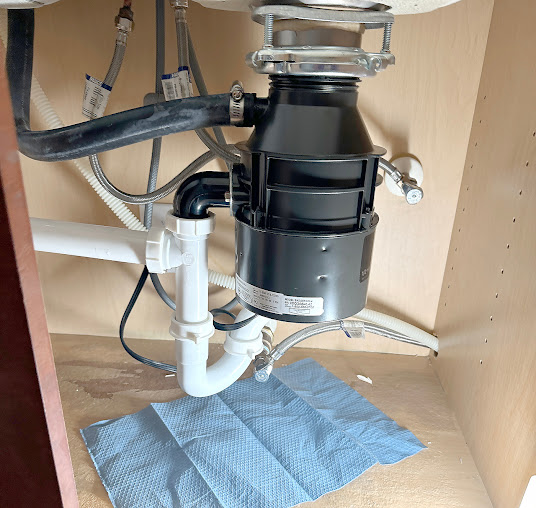
Traditional storage tank water heaters are an usual option for lots of homes, offering a trusted resource of warm water. Tankless water heating systems, likewise recognized as on-demand water heating systems, offer a modern option to standard systems by home heating water straight as it is needed. Point-of-use water heaters offer a hassle-free option for home owners looking for immediate accessibility to warm water at particular areas within their homes. Unlike traditional water heating systems, which heat a huge quantity of water for the whole family, point-of-use designs provide hot water on demand. Additionally, point-of-use water heating systems can aid to reduced water costs by reducing water wastage during heating.